When a Property Needs a Concrete Retaining or Poured Wall
When a property needs a concrete retaining or poured wall, local contractors can provide expert installation to improve stability and prevent erosion.
Understanding when a property needs a concrete retaining or poured wall is essential for maintaining stability and preventing future issues. These structures are often necessary when there’s a significant change in elevation on a property, such as sloped yards or uneven terrain, which can lead to soil erosion or foundation concerns. Property owners in the area who notice shifting landscapes, standing water, or cracks in existing walls may find that installing a concrete retaining or poured wall offers a practical solution to reinforce their landscape and protect their investment.
Local contractors specializing in concrete retaining and poured wall installation are equipped to assess specific property needs and recommend appropriate solutions. Whether addressing a hillside, creating level outdoor spaces, or managing drainage challenges, these experienced service providers can deliver durable, expertly crafted walls tailored to the unique conditions of each property. Keep reading to explore more about when these structures are needed and how trusted local experts can help ensure the stability and longevity of a property’s landscape.
Get Quotes for Concrete Retaining Wall Or Poured Wall Installation
- Concrete Retaining Wall - needed when a property requires support for sloped terrain or preventing soil erosion, with local contractors ensuring proper installation.
- Poured Wall - suitable for creating strong, durable foundations or basement walls that need to withstand structural pressures, handled by experienced service providers.
- Concrete Retaining Wall - necessary for leveling uneven yard areas or creating terraced landscaping, with local pros designing and building to match site conditions.
- Poured Wall - used when a property needs a reliable foundation or basement wall, with local contractors focusing on proper reinforcement and finishing.
- Concrete Retaining Wall - installed to stabilize hillside properties or prevent landslides, with local service providers assessing site needs and installing accordingly.
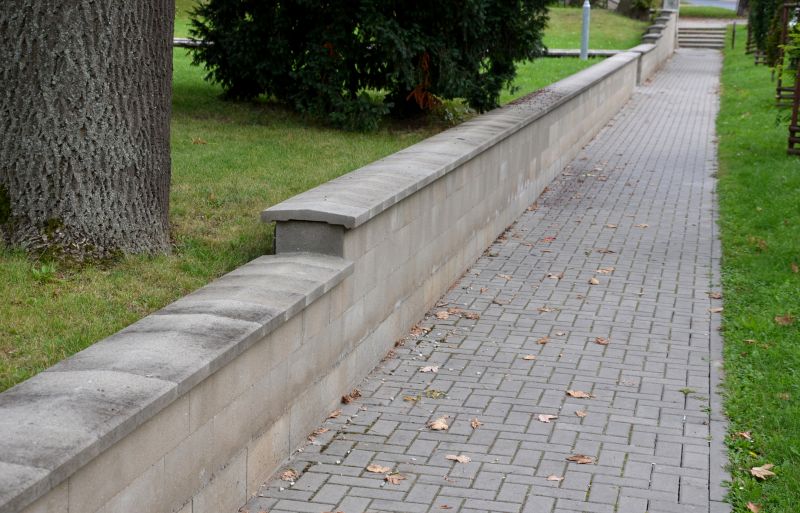
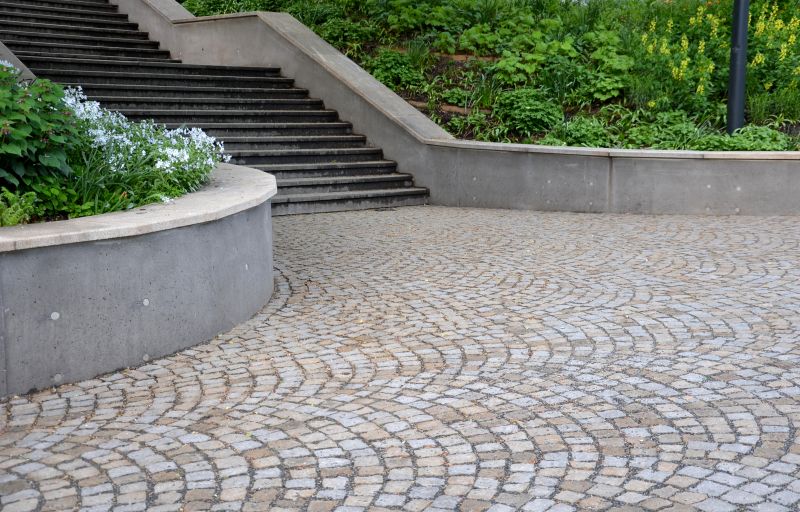
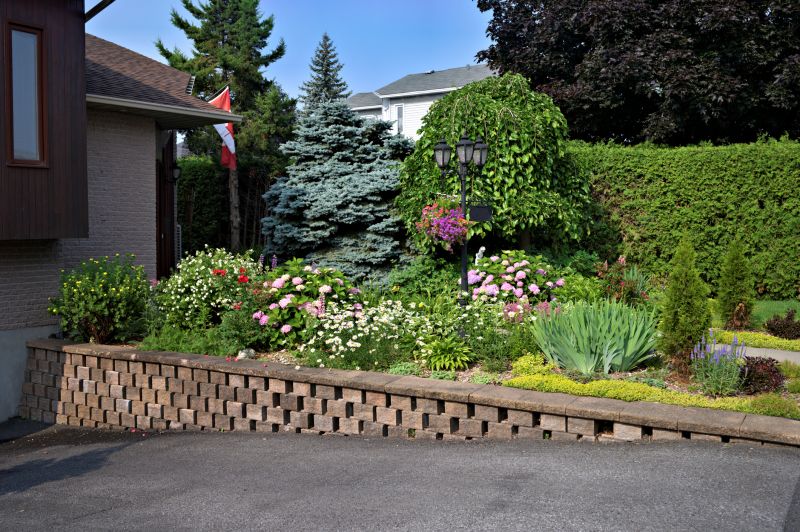
When a property needs a concrete retaining or poured wall, it typically relates to managing changes in land elevation or preventing soil erosion. Homeowners often encounter situations where their yard or landscape has uneven terrain, requiring a sturdy structure to hold back soil on slopes or terraced areas. These walls are essential for creating level outdoor spaces, such as patios or gardens, especially on properties with significant grade differences. Additionally, properties situated on hilly or hillside land may need retaining walls to stabilize the ground and prevent shifting or collapse, ensuring safety and long-term stability.
The need for a concrete retaining or poured wall often arises during major landscaping or construction projects. For example, when expanding a driveway, building a new deck, or installing a swimming pool, these structures can provide the necessary support to prevent soil movement that could undermine the project. They are also common in properties where landscaping involves terracing or creating retaining features to manage water runoff and soil retention. In some cases, homeowners may need to address issues caused by previous erosion or settling, which can compromise the stability of existing structures or property boundaries. Local contractors experienced in concrete retaining and poured walls can assess these situations and recommend solutions that fit the specific project requirements.
Certain types of properties are more likely to require concrete retaining or poured walls based on their location and landscape features. Residential properties on uneven or sloped land frequently need these walls to create usable outdoor spaces and prevent soil erosion. Commercial properties with large parking lots or landscaped areas may also require retaining walls to maintain the integrity of their grounds and manage water drainage effectively. Additionally, properties near bodies of water or with heavy rainfall are more prone to soil movement, making retaining walls an important part of long-term property management. Local service providers can evaluate the property’s terrain and advise on the most suitable type of wall to meet safety and functional needs.
Understanding when a property needs a concrete retaining or poured wall helps homeowners recognize the importance of proper support structures in land management and construction projects. These walls are crucial for stabilizing soil, preventing erosion, and creating level outdoor areas on challenging terrain. Whether addressing existing issues or planning new landscape features, many property owners find that working with experienced local contractors ensures the right solutions are implemented efficiently. Connecting with qualified service providers can help homeowners find the expertise needed to install durable, effective concrete retaining or poured walls that enhance safety and usability of their property.
Foundation Repair Projects - these projects often involve similar skills and tools as installing concrete retaining or poured walls, especially when dealing with soil stabilization and structural support.
Landscape Wall Construction - building decorative or functional landscape walls requires knowledge of concrete work and planning, making it comparable to retaining wall installations.
Basement Wall Waterproofing - waterproofing basement walls involves understanding concrete structures and moisture management, aligning with skills used in poured wall services.
Slope Stabilization Projects - stabilizing slopes with retaining structures shares techniques with constructing concrete retaining walls to prevent soil erosion and landslides.
Driveway and Patio Paving - laying concrete for driveways or patios involves similar concrete pouring and finishing skills as poured wall installation services.
Bulkhead and Shoreline Wall Projects - constructing shoreline or bulkhead walls requires expertise in concrete work and planning, paralleling the skills needed for retaining or poured walls.
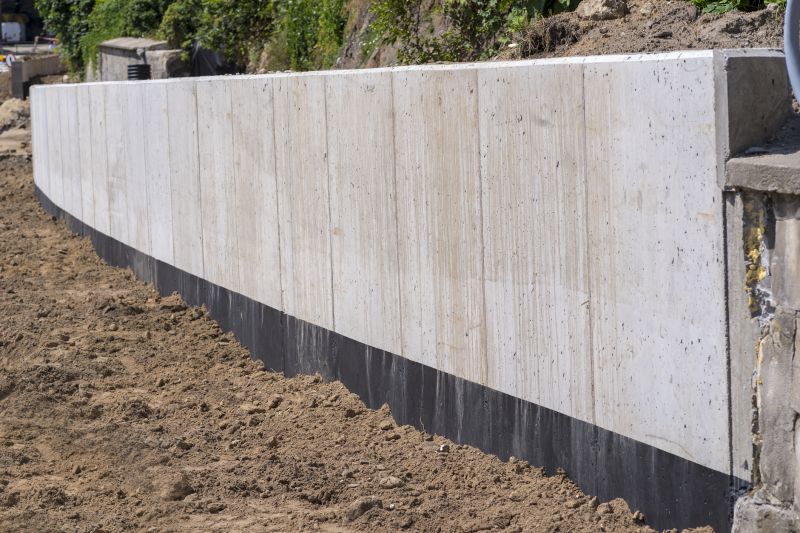
When evaluating contractors for a concrete retaining or poured wall, it is important to consider their experience with similar projects. Homeowners should inquire about the types of retaining walls or poured walls a service provider has installed in the past to ensure familiarity with the specific requirements of their property. Contractors with a proven track record in handling projects similar in size, scope, and terrain are more likely to understand the challenges involved and deliver results that meet expectations.
Clear written expectations are essential when comparing local contractors for this type of work. Homeowners should seek detailed proposals that outline the scope of work, materials to be used, project timelines, and any warranties or guarantees offered. Having these details documented helps prevent misunderstandings and provides a basis for comparing services objectively. Good communication during the planning phase also indicates a contractor’s ability to keep clients informed and address questions or concerns promptly.
Reputable references and a history of positive client feedback are valuable indicators of a reliable service provider. Homeowners are encouraged to ask for references from previous clients who had similar projects completed. This can provide insights into the contractor’s professionalism, quality of work, and adherence to schedules. Additionally, a contractor’s responsiveness and willingness to communicate clearly throughout the process are signs of a professional who values transparency and client satisfaction. These factors collectively assist homeowners in making informed decisions when selecting a contractor for their concrete retaining or poured wall needs.
Get a Quote for Concrete Retaining Wall Or Poured Wall Installation
Property owners often search for when a property needs a concrete retaining or poured wall when they are planning practical projects around their homes and businesses. Local pros provide Concrete Retaining Wall or Poured Wall Installation services for everyday jobs and straightforward project options.
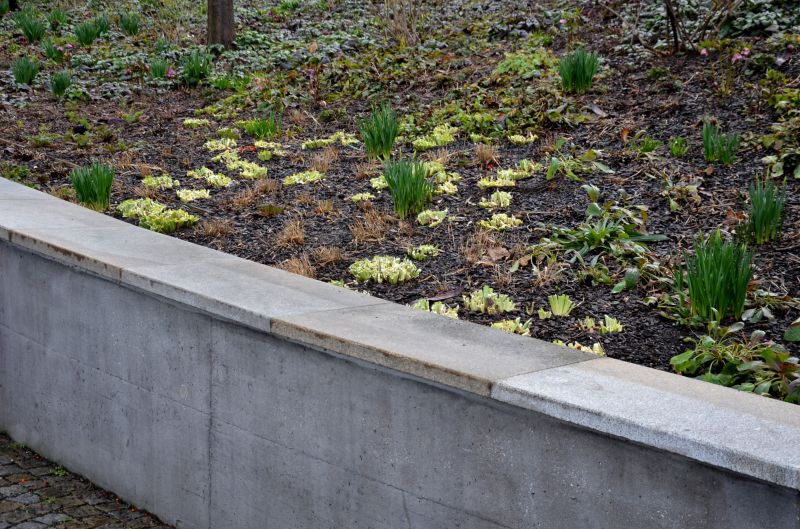
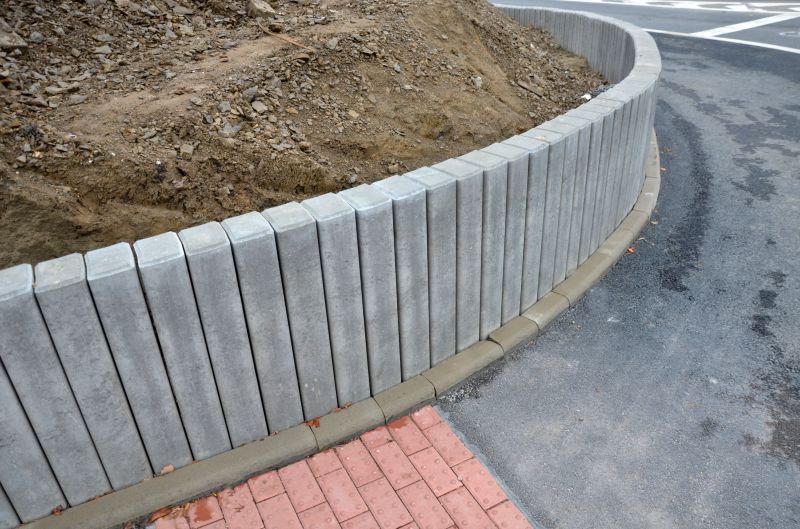
When a property experiences shifting or uneven terrain, property owners often consider installing a concrete retaining or poured wall to provide stability and prevent soil erosion. These structures are commonly needed when landscaping changes, such as creating terraced gardens or leveling a sloped yard, require support to hold back soil and maintain a clean, functional outdoor space. Additionally, properties with areas prone to water runoff or drainage issues may benefit from retaining walls to manage moisture flow and protect foundations from water damage. Local contractors who specialize in concrete retaining and poured walls can assess the site conditions and recommend the best solutions to ensure long-lasting support and structural integrity.
In situations where a property’s landscape or grading creates a potential hazard or limits usable space, a concrete retaining or poured wall can be an effective solution. For example, when building a patio or driveway on a hillside, these walls can create level surfaces and prevent soil from collapsing into the area. They are also helpful for properties that require additional privacy or boundary definition, especially along sloped or uneven land. Property owners searching for installation services often look for experienced local service providers who can evaluate their specific needs and provide durable, functional retaining walls that enhance safety and usability.
Get a Quote for Concrete Retaining Wall Or Poured Wall Installation
When should a property consider installing a concrete retaining or poured wall? A property may need a concrete retaining or poured wall when there is a significant change in ground elevation, such as sloped landscapes or hillside properties, to prevent soil erosion and provide stability.
What signs indicate that a property requires a retaining wall? Signs include soil movement, leaning or cracked existing walls, pooling water, or uneven ground levels that threaten the stability of structures or landscaping.
Can a poured wall be used for both retaining and aesthetic purposes? Yes, poured walls can serve as functional retaining structures and can also be designed to enhance the appearance of outdoor spaces with finishes and decorative elements.
When is a concrete retaining wall necessary for property drainage? A retaining wall is necessary when soil retention is needed to manage water runoff and prevent pooling or flooding in areas with poor drainage or heavy rainfall.
How do local contractors determine if a property needs a retaining or poured wall? Contractors assess soil conditions, slope stability, drainage needs, and landscape features to determine if a concrete retaining or poured wall is appropriate for the property’s requirements.
Soil erosion control - when a property experiences significant soil movement or runoff, a concrete retaining or poured wall can help stabilize the landscape.
Terracing steep slopes - properties with uneven or steep terrain may need retaining walls to create level areas for gardening or outdoor living spaces.
Property boundary support - when a property borders a higher or lower elevation, retaining walls can define boundaries while preventing soil from encroaching.
Structural reinforcement for foundations - in areas with shifting or expanding soil, poured walls provide added support to protect building foundations.
If you are thinking about when a property needs a concrete retaining or poured wall for a property, this guide is meant to help you understand this topic, the typical project types, and how different options might fit your plans.
When you are ready, you can use the quote form on this page to share a few details about your project. From there, local pros can review the basics and follow up with options that match what you have in mind.
Get a Quote for Concrete Retaining Wall Or Poured Wall Installation