Get Poured Wall Installation
Poured wall installation services help property owners build durable, strong foundation walls for basements, retaining walls, and other structural projects.
Poured wall installation is a practical solution for property owners looking to enhance structural stability, create durable foundations, or improve landscape support. If you are planning a construction or renovation project, understanding the options available for wall systems can help ensure the long-term success of your property. Exploring local contractors who specialize in poured walls can provide valuable insights into the best approaches for your specific needs, making it easier to compare services and find the right fit.
Whether you're working on a new build, basement finishing, or retaining wall project, connecting with experienced service providers in the area can support your planning process. By reviewing local options, property owners can identify professionals with the skills and experience necessary to deliver quality results. Keep reading to learn more about how local contractors can assist with poured wall installation and help bring your project to life.
- Residential Basement Walls - homeowners may need poured wall installation when constructing or finishing a basement space.
- Retaining Walls for Landscaping - property owners might require poured walls to stabilize slopes and create level outdoor areas.
- Commercial Building Foundations - business developers often need poured wall services for the foundation of new commercial structures.
- Erosion Control Barriers - construction sites and properties prone to erosion may utilize poured walls for effective containment.
- Underground Utility Enclosures - utility providers might seek poured wall installation to create durable underground vaults and enclosures.

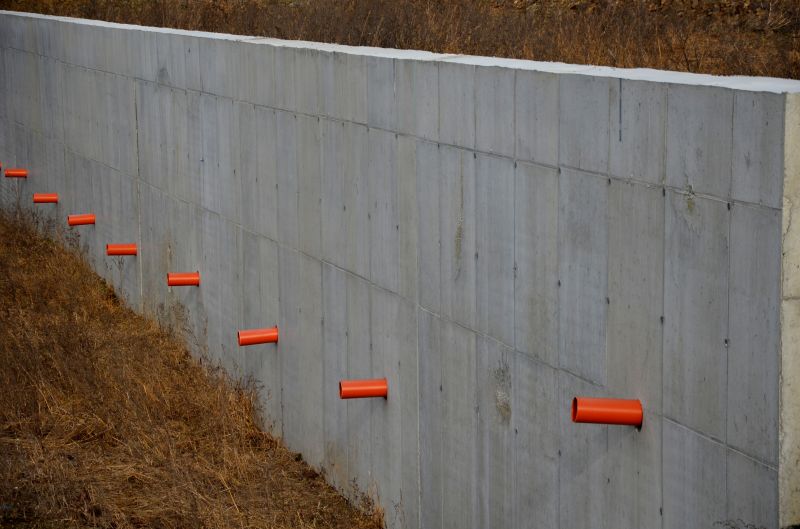
Poured wall installation involves creating sturdy, durable concrete walls that serve as foundations, retaining walls, or basement walls for various properties. This process typically includes pouring liquid concrete into forms that are precisely shaped to fit the specific needs of a project. Once the concrete hardens, it forms a solid barrier that provides structural support and stability. Poured walls are known for their strength, seamless appearance, and long-lasting performance, making them a popular choice for both residential and commercial applications.
This service helps address common problems such as foundation instability, soil erosion, and water intrusion. For homeowners experiencing shifting or cracking basement walls, poured wall installation can reinforce the structure and prevent further damage. It is also effective for creating retaining walls that hold back soil on sloped properties, reducing the risk of land movement or collapse. Additionally, poured concrete walls can improve property drainage and prevent water from seeping into basements or crawl spaces, helping to protect the interior from moisture-related issues.
Properties that typically utilize poured wall installation include single-family homes, multi-unit residential buildings, commercial complexes, and landscaping projects. Homes with uneven terrain or areas prone to soil movement often benefit from retaining walls made through this process. Commercial properties requiring robust foundation walls or basement structures also frequently rely on poured concrete. Overall, any property that needs a strong, reliable barrier or support structure can benefit from the expertise of local contractors specializing in poured wall installation.
Homeowners considering this service should recognize when poured walls might be needed, such as during new construction, foundation repairs, or landscape modifications. Signs that poured wall installation could be appropriate include visible cracks or bowing in existing basement walls, water seepage issues, or the need for additional retaining structures to stabilize soil. Consulting with local service providers can help determine whether poured concrete walls are the right solution for specific property challenges. Connecting with experienced contractors ensures that the project is handled with proper techniques to achieve lasting results.
The overview below groups typical Poured Wall Installation projects into broad ranges so you can see how smaller, mid-sized, and larger jobs often compare in your area.
In many markets, a large share of routine jobs stays in the lower and middle ranges, while only a smaller percentage of projects moves into the highest bands when the work is more complex or site conditions are harder than average.
Smaller Repairs - typical costs range from $250-$600 for minor patching or sealing jobs. Most routine repairs fall within this middle range, depending on the extent of damage and materials needed.
Standard Poured Wall Installations - the average cost for a typical residential foundation is between $4,000 and $10,000. Many projects in this category are straightforward and stay within this range, but larger or more complex jobs can increase the price.
Full Wall Replacement - replacing an entire poured wall can cost $12,000 to $25,000 or more, especially for larger or heavily reinforced structures. These projects are less common and tend to push into higher price tiers.
Custom or Complex Projects - highly detailed or custom poured wall work, such as curved or decorative designs, can exceed $30,000. Such projects are less frequent and typically involve specialized materials or engineering considerations.
Actual totals will depend on details like access to the work area, the scope of the project, and the materials selected, so use these as general starting points rather than exact figures.
Foundation Wall Construction - local contractors experienced in pouring and setting foundation walls utilize similar skills in form setting and concrete placement as poured wall installation projects.
Retaining Wall Building - constructing retaining walls involves planning and pouring concrete or other materials, requiring expertise in formwork and structural stability akin to poured wall work.
Basement Wall Waterproofing - waterproofing basement walls often involves inspecting and preparing poured concrete surfaces, sharing skills in surface assessment and moisture management.
Concrete Footings Installation - installing concrete footings is a foundational step that shares planning, form setting, and pouring techniques with poured wall services.
Underground Utility Excavation - excavation for utility lines involves site preparation and precise concrete work, aligning with skills used in poured wall projects.
Garage Floor Slab Installation - pouring and finishing concrete slabs for garages requires similar planning, formwork, and finishing skills as wall pouring services.
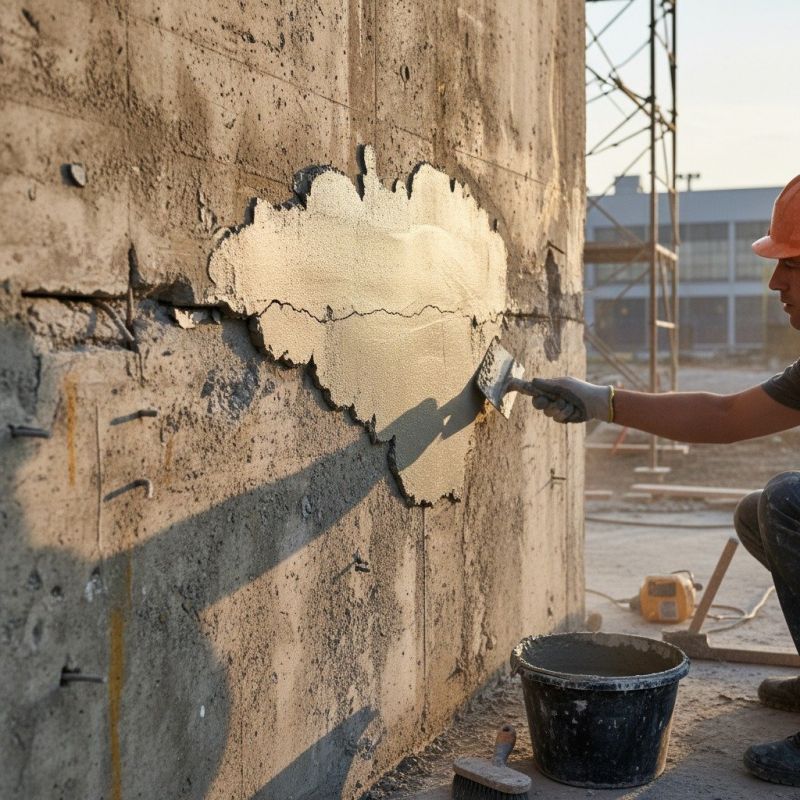
When comparing service providers for poured wall installation, it’s important to consider their experience with similar projects. Homeowners should look for local contractors who have a proven track record of completing poured wall work in environments comparable to their own. An experienced professional will be familiar with common challenges and best practices, which can contribute to a more successful outcome. Asking about previous projects or requesting examples of completed work can help gauge a contractor’s familiarity with the specific requirements of poured wall installation.
Clear, written expectations are essential for ensuring that both the homeowner and the contractor are aligned on the scope of work. When evaluating local pros, it’s helpful to review detailed proposals or estimates that outline the specific tasks, materials, and standards involved. This transparency can prevent misunderstandings and provide a basis for comparing different service providers. Homeowners should seek contractors who communicate their process clearly and are willing to put expectations in writing, which can foster a smoother project experience.
Reputable references and good communication are key indicators of a reliable local contractor. Homeowners should ask for references from past clients with similar projects and follow up to learn about their experiences. Additionally, responsive and transparent communication throughout the inquiry process can reveal how well a service provider understands the project and values customer needs. It’s important to remember that this site introduces homeowners to local options for poured wall installation; it does not perform the work itself. The goal is to connect with qualified local contractors who can handle the project professionally and reliably.
Property owners use Poured Wall Installation services for practical projects around their homes and businesses. This guide focuses on everyday jobs and straightforward project options.
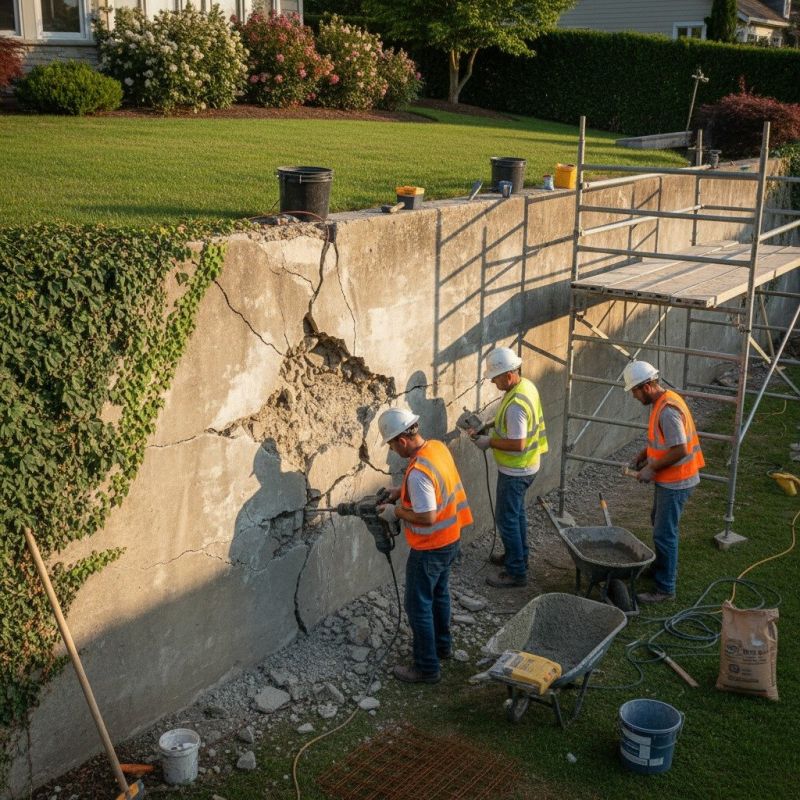
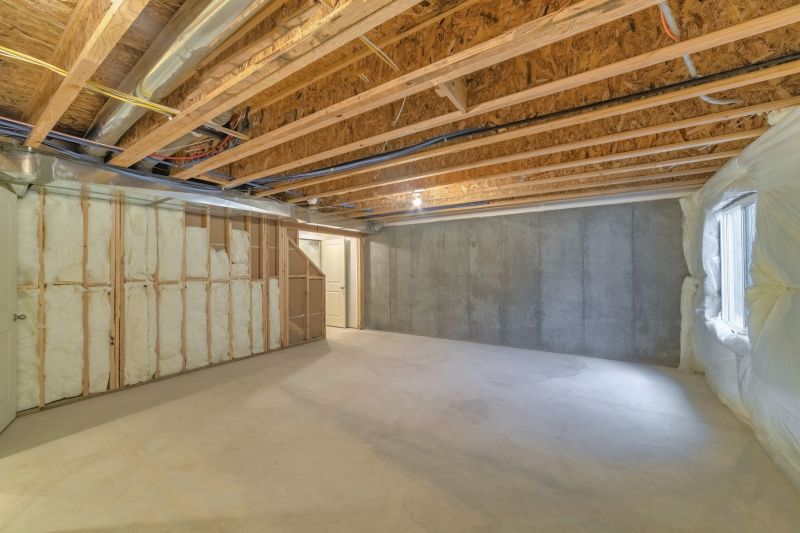
Poured wall installation is often needed for property owners dealing with basement finishing, foundation repairs, or retaining wall construction. Homeowners might seek these services when they notice cracks or water seepage in their basement, or when they want to create a more functional outdoor space with sturdy retaining walls. Local contractors can provide the expertise to ensure walls are properly built to withstand soil pressure and environmental conditions, helping to protect the property and improve its usability.
In addition, property owners may look for poured wall services when planning to add new structures or improve existing ones. Whether constructing a new basement, reinforcing an existing foundation, or building retaining walls for landscaping, local service providers can handle these projects efficiently. They offer solutions that support the stability and longevity of the property, making them a practical choice for many common construction and repair needs.
What are poured wall installations used for? Poured wall installations are commonly used for foundations, basement walls, retaining walls, and other structural supports in residential and commercial projects.
What materials are typically used for poured walls? The most common material for poured walls is reinforced concrete, which provides durability and strength for various structural applications.
How do local contractors prepare for poured wall installation? Contractors typically prepare the site by excavating and setting formwork to shape the poured concrete, ensuring proper reinforcement and alignment before pouring.
Are poured walls suitable for all types of soil? Poured walls can be adapted for many soil types, but it's recommended to consult with local service providers to determine the best approach for specific ground conditions.
What maintenance is required for poured concrete walls? Generally, poured concrete walls require minimal maintenance, but occasional sealing or inspection for cracks can help prolong their lifespan. Contact local pros for advice tailored to specific projects.
Basement Wall Support - Property owners can reinforce basement walls to prevent shifting and cracking, ensuring a stable foundation for ongoing use.
Garden and Landscape Edging - Poured walls can define garden beds or outdoor spaces, creating clean lines and preventing soil erosion.
Retaining Wall Construction - Local contractors can build retaining walls to hold back soil on sloped properties, enhancing yard usability.
Erosion Control Solutions - Poured walls can be installed to manage water runoff and protect property from erosion during heavy rains.
If you are thinking about Poured Wall Installation for a property, this guide is meant to help you understand the work, the typical project types, and how different options might fit your plans.
When you are ready, you can use the quote form on this page to share a few details about your project. From there, local pros can review the basics and respond with options that match what you have in mind.